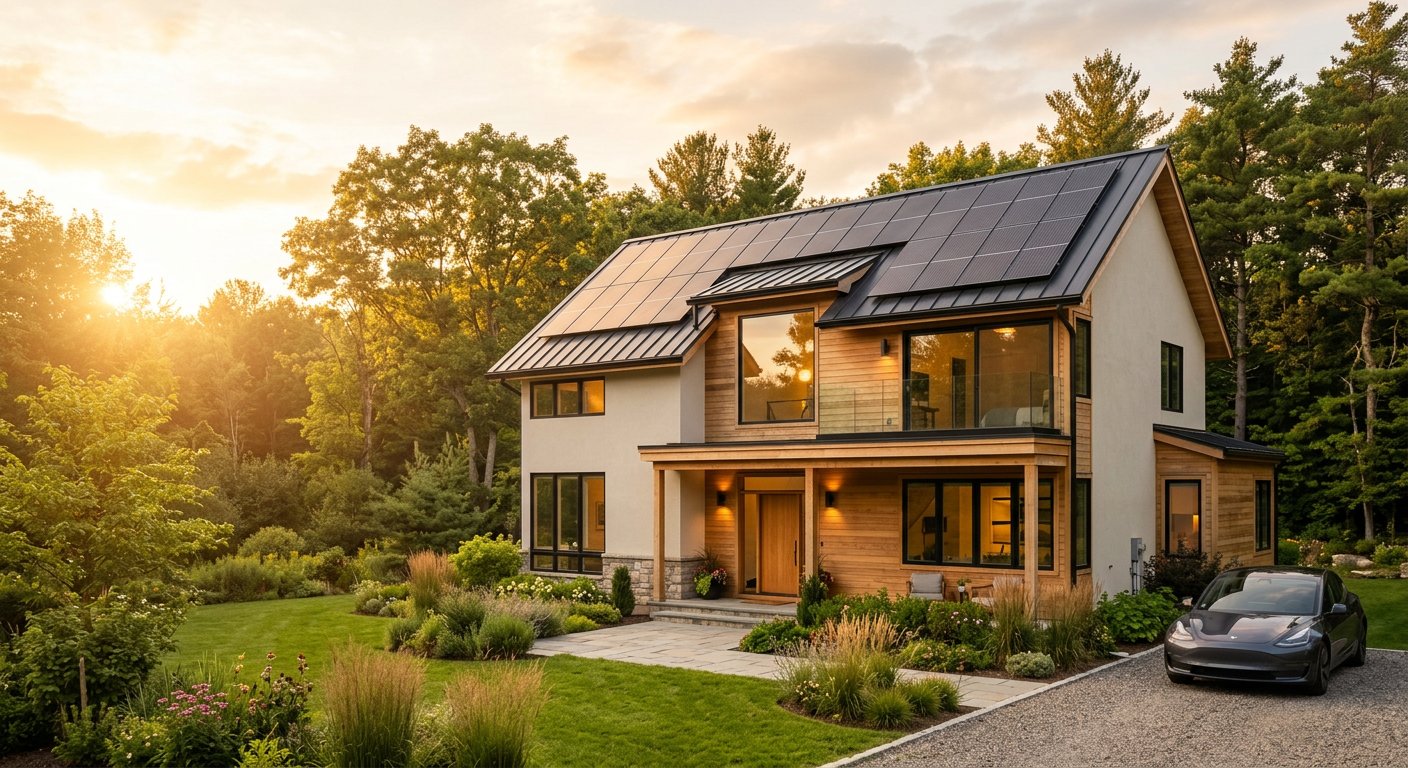
Ask most homeowners what their roof does, and they will say it keeps the rain out. True — but incomplete. Your roof is also your home's largest sun-facing surface, its first defense against wind and cold, and increasingly, an untapped source of clean energy. When roofing and solar are planned together rather than as separate afterthoughts, the result is a home that is more comfortable in winter, cooler in summer, and gentler on your monthly budget for years to come.
The smartest solar projects begin with the roof itself. Panels are designed to sit on your home for a long, long time, so placing them on a roof that is nearing the end of its life means paying to remove and reinstall them later — an avoidable expense. That is why we always start with an honest roof assessment: if shingles are tired, flashing is questionable, or ventilation is poor, the roof gets attention first. Think of it as preparing a strong foundation for decades of power generation above your head.
So how does solar actually work, in plain terms? Sunlight strikes the panels, which convert it into electricity that flows through an inverter and into your home's electrical panel. Your appliances use that power first, and when your panels produce more than you need, the excess flows back through your meter in arrangements that credit your account — a setup broadly known as net metering. On cloudy days or at night, you draw from the grid as usual. Most homeowners are surprised by how quietly invisible the whole system feels once it is running.
The comfort benefits go well beyond the electric bill. A modern roofing system — proper underlayment, balanced attic ventilation, and quality insulation working together — stabilizes indoor temperatures in a way older roofs simply cannot. Upstairs bedrooms stop sweltering in the afternoon sun and feeling icy at night. Ice dams become far less likely after snowfall. Even street noise softens. Solar panels add a small bonus here too, shading the roof surface beneath them and reducing the heat that radiates into the attic on bright days.
Financially, the picture rewards patience. Generating your own electricity means buying less from the utility every month, and many regions offer incentives, tax benefits, or rebates that soften the upfront investment. Add in the resilience of a brand-new roof — often backed by long material and workmanship warranties — and the upgrade starts looking less like a purchase and more like redirecting money you were already spending. Your exact numbers depend on your roof's size, pitch, and sun exposure, which is why a proper assessment matters more than any online estimate.
"The most sustainable home upgrade is the one that protects your house and powers it at the same time."
There is also a quieter satisfaction that many homeowners mention afterward: energy independence. Watching your own meter spin backward on a bright day does something to how you relate to your home. Every sunny hour becomes productive. For households that worry about rising utility rates, solar is a way of fixing part of your energy cost in place — and for those who care about their footprint, it is among the most tangible steps a homeowner can take without changing daily habits at all.
Choosing materials and an installer deserves the same care as the decision to go solar. For roofing, prioritize durability over the cheapest bid: architectural shingles or standing-seam metal both pair beautifully with solar and laugh off harsh weather. For panels and inverters, look for strong manufacturer warranties and equipment from established makers. Most of all, choose an installer who inspects before quoting, explains the design on your actual roof rather than a generic diagram, and handles permitting and utility paperwork on your behalf.
Life after installation is pleasantly uneventful, but not entirely hands-off. Panels appreciate an occasional rinse if dust, pollen, or debris builds up, and a quick glance at the monitoring app becomes a satisfying habit for most owners — you will know within moments if production ever dips. Your roof, meanwhile, simply needs the same periodic inspection any good roof deserves: clear the gutters, check the flashing after major storms, and let a professional look things over now and then.
Roofing and solar are each worthwhile on their own, but together they represent something bigger: a home that actively takes care of you. If you have been curious about what your roof could do beyond keeping you dry, our team at Home Craft Point would be happy to take a look, talk through the possibilities in plain language, and help you decide — with no pressure either way — whether the sun deserves a job at your house.